
A Beginner’s Guide to Classical Composers: What to Expect from the Masters
Seeing a name like Beethoven or Mahler on the Hawaiʻi Symphony Orchestra calendar might feel intimidating if you do not know their specific musical style. When you buy a ticket to a rock concert, you already know exactly what the band sounds like. Classical music should offer that same level of comfortable anticipation.
Knowing what to expect from a specific composer acts as a roadmap for your ears. It tells you whether you are in for a light, elegant evening of delicate melodies or a heavy, dramatic wall of acoustic power.
Wolfgang Amadeus Mozart (1756–1791)
The Sound: Elegant, perfectly balanced, and effortlessly melodic. The Vibe: A bright, formal gala in an eighteenth-century Austrian palace.
Mozart defines the Classical era of music. His compositions prioritize perfect structural balance, clear melodies, and a sense of effortless grace. When we program a Mozart symphony or piano concerto, you will notice a smaller orchestra on stage. He wrote before the invention of heavy brass instruments like the tuba, so his music relies heavily on a nimble string section and bright, dancing woodwinds.
Do not mistake elegance for simplicity. Mozart’s genius lies in making incredibly complex musical math sound as natural as breathing. His music rarely attempts to overpower you with volume. Instead, it charms you with rapid, sparkling runs and deeply emotional, yet highly restrained, slow movements.
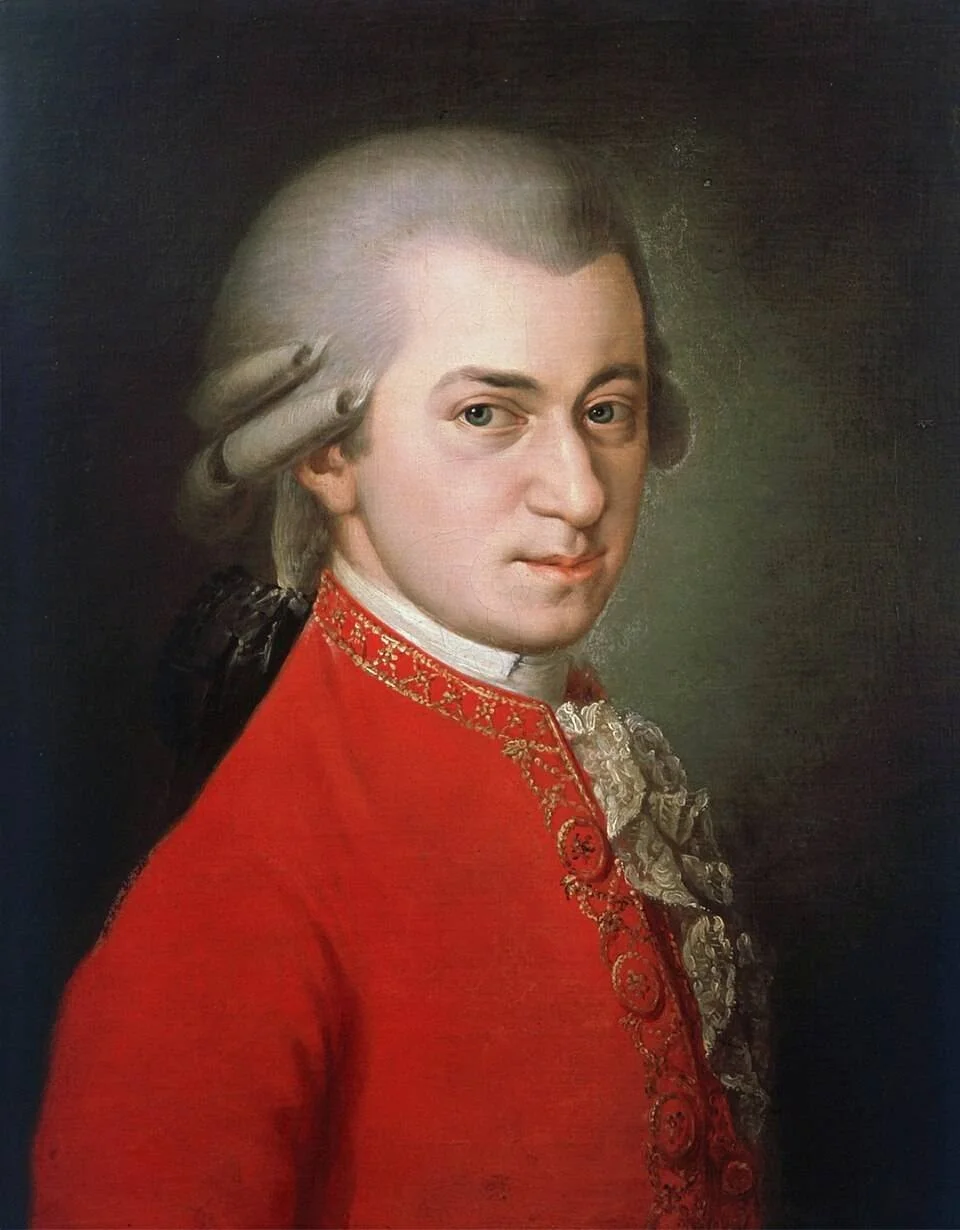
Mozart's music is defined by perfect structural balance and memorable melodies. Source: Wikimedia Commons
Ludwig van Beethoven (1770–1827)
The Sound: Dramatic, triumphant, and emotionally explosive. The Vibe: A fierce thunderstorm giving way to a brilliant, victorious sunrise.
If Mozart represents polite aristocratic society, Beethoven represents a revolution. He single-handedly bridged the gap between the rigid rules of the Classical era and the heavy, emotional storytelling of the Romantic era. Beethoven’s music is famously muscular. He utilized sharper rhythms, heavier brass, and massive dynamic shifts, moving from a whisper to a roar in a single second.
When you attend a Beethoven concert, expect high drama. He often structured his symphonies as narratives of struggle leading to victory, famously exemplified by the relentless driving rhythm of his Symphony No. 5. If you want a visceral, edge-of-your-seat acoustic experience, a Beethoven Masterworks concert is an ideal starting point.
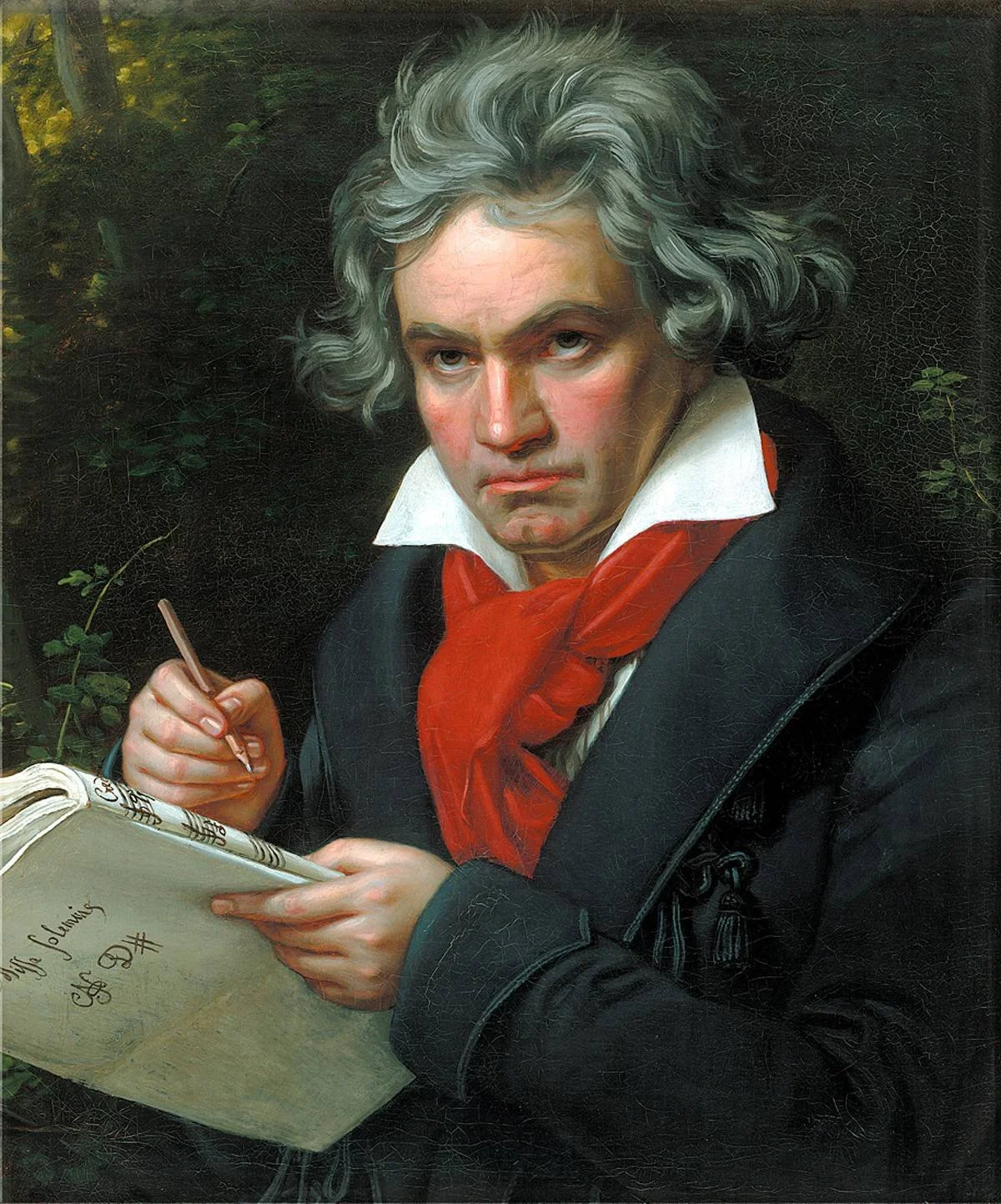
Beethoven bridged the gap between Classical rules and Romantic emotion. Source: Wikimedia Commons
Gustav Mahler (1860–1911)
The Sound: Massive, cinematic, and deeply psychological. The Vibe: An entire universe of sound encompassing extreme joy, deep tragedy, and everything in between.
Gustav Mahler famously declared that a symphony "must be like the world. It must embrace everything." He delivered on that promise by writing some of the longest, most physically demanding orchestral music in history. A single Mahler symphony can last over eighty minutes and requires an absolutely massive ensemble on stage, often featuring expanded French horn sections, extra percussion, and even off-stage trumpets.
Listening to Mahler requires stamina, but the emotional payoff is unmatched. His music pushes the boundaries of late-Romantic excess, utilizing rich, dark harmonic colors. You will hear moments of terrifying, dissonant chaos that suddenly dissolve into the most heartbreakingly beautiful string melodies ever written. Expect an exhausting but profoundly transformative evening.
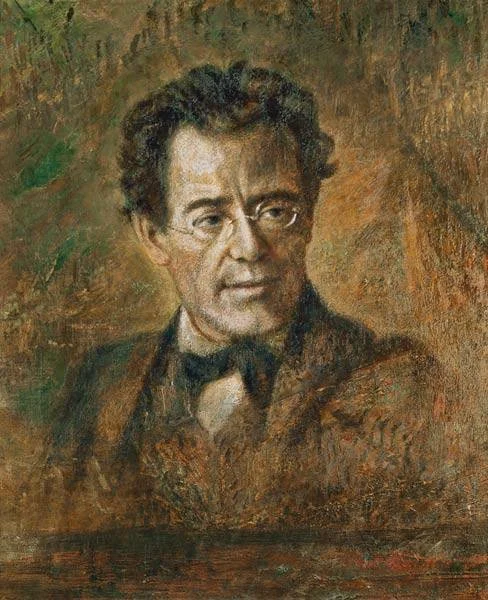
Mahler required massive orchestras to create his universe-embracing symphonies. Source: Fine Art Prints On Demand
Gustav Holst (1874–1934)
The Sound: Mystical, driving, and highly atmospheric. The Vibe: A cinematic journey through deep space and ancient mythology.
While Holst wrote a wide variety of music, he is recognized for one monumental masterpiece: The Planets. Written in the early twentieth century, this seven-movement orchestral suite assigns a distinct musical personality to the planets of our solar system based on their astrological character.
If you are a fan of modern movie music, Holst is your direct gateway into the classical concert hall. His use of strange time signatures, violent brass, and sweeping, hymn-like melodies heavily influenced modern film composers, particularly John Williams’ iconic scores for Star Wars. A Holst performance is a vibrant, highly accessible showcase of what our orchestra can do when pushed to its creative limits.
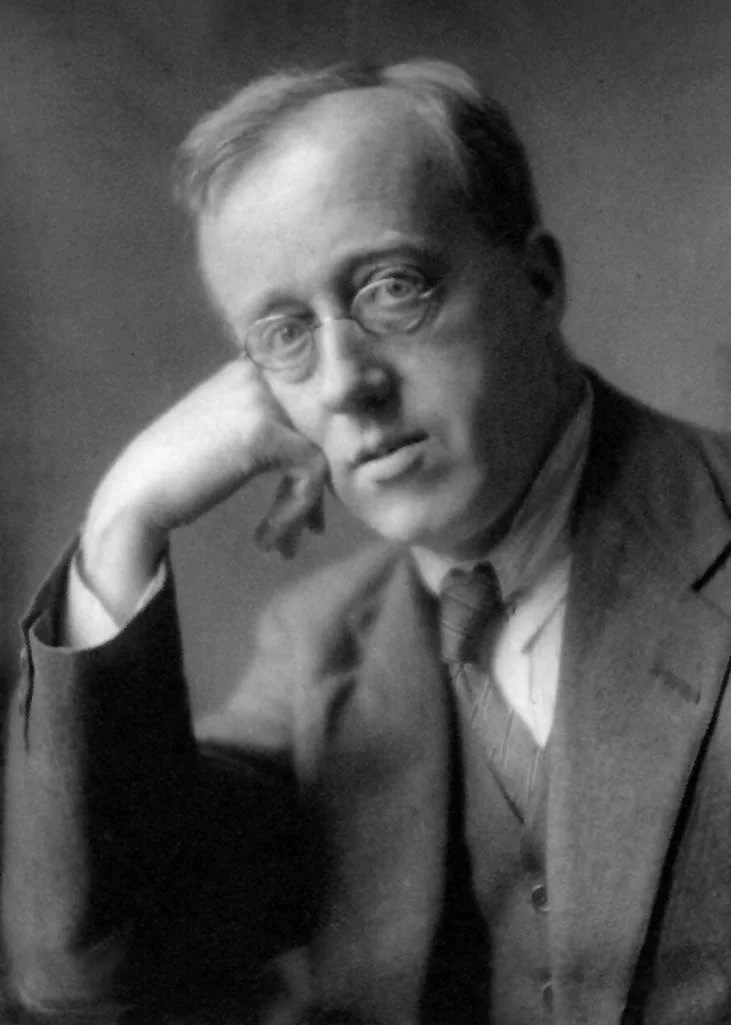


Holst heavily influenced the sound of modern Hollywood blockbuster film scores. Source: Wikimedia Commons

Discover Your Favorite Live
Reading about these historical figures is only the first step. To truly understand why their music has survived for centuries, you have to feel the acoustic vibrations of their work performed live in a grand concert hall.
Explore our upcoming programs featuring these legendary composers, alongside brilliant contemporary voices, on the official Hawaiʻi Symphony Orchestra Calendar. To secure your seats for an upcoming performance at the Neal S. Blaisdell Concert Hall, visit our HSO Ticketing Portal.