
A Century of Sound: The History of Orchestral Music in Hawaiʻi
The sound of a full symphony orchestra filling a concert hall carries a unique kind of magic. When eighty musicians raise their instruments in unison, the resulting acoustic resonance bridges centuries of musical innovation. For many visitors and new residents, discovering that this grand classical tradition has thrived in Honolulu for more than a century comes as a wonderful surprise.
Orchestral music in the islands is not a recent import grafted onto the local culture. It is a deeply rooted tradition that grew alongside the modern development of Honolulu, weathering historic challenges, celebrating community resilience, and continuously adapting to the unique spirit of Oʻahu. Understanding this rich history transforms any evening spent at the Neal S. Blaisdell Concert Hall into a connection with a century-old cultural legacy.
The Founding Era: Setting the Stage in 1900
The story of Western classical performance in the islands began at the turn of the twentieth century. In 1900, a passionate group of local musicians and community leaders established the Honolulu Symphony Orchestra. Founded during a time of rapid global and local change, the ensemble earned the distinction of becoming one of the oldest symphony orchestras in the United States west of the Rocky Mountains.
In its earliest days, rehearsals and small performances took place in modest local clubhouses, including spaces on the slopes of Punchbowl. Despite the geographic isolation of the Hawaiian islands, an enthusiastic appetite for classical masterworks flourished. Community members recognized that bringing orchestral music to Honolulu would enrich the cultural fabric of the territory, providing a shared artistic space that united diverse residents through the power of unamplified sound.
As the decades progressed, the orchestra steadily expanded its membership, its performance venues, and its musical ambitions. Guest conductors and traveling soloists began making the long journey across the Pacific, drawn by the vibrant energy of the islands and the dedication of local musicians.
Growth, Resilience, and Post-War Cultural Flourishing
By the middle of the twentieth century, the orchestra entered a transformative period of artistic growth. Under the steady guidance of dedicated music directors including Fritz Hart, who led the ensemble from 1932 to 1949, and George Barati, who directed the orchestra through the post-war decades from 1950 to 1967 the Honolulu Symphony established itself as a professional regional orchestra of exceptional caliber.
This era coincided with a broader cultural awakening across the Hawaiian islands. Following statehood in 1959, Honolulu experienced a surge in the development of civic and cultural institutions. The orchestra began reaching wider audiences through educational youth concerts, community outreach programs, and expansive public performances.
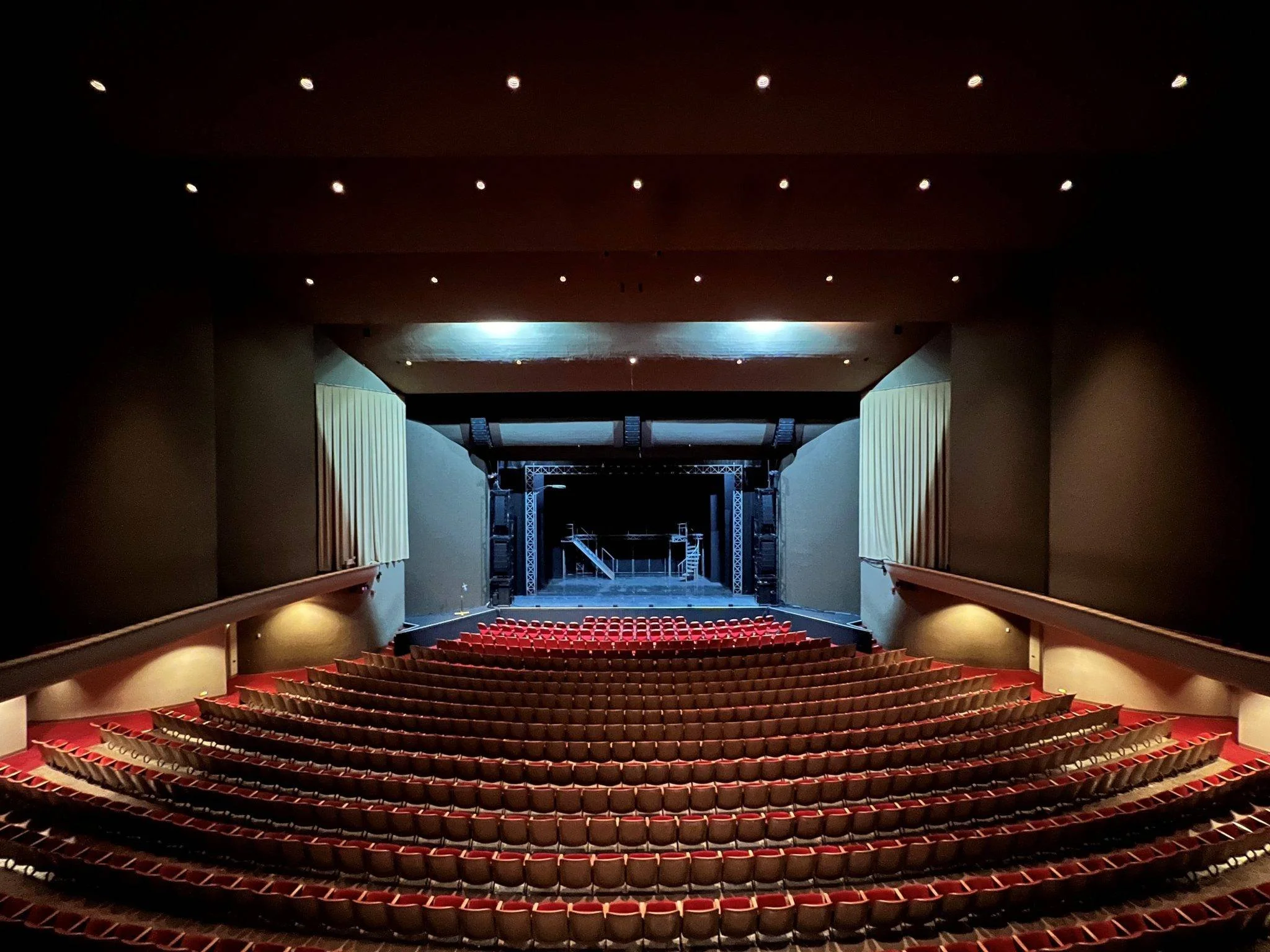
During these decades, the ensemble found a vital permanent home as Honolulu constructed modern civic and performing arts spaces. Relocating major symphonic performances to the newly established municipal cultural complexes allowed the orchestra to scale its programming, welcoming larger audiences and performing grander, more demanding classical masterworks by composers like Mahler, Brahms, and Tchaikovsky.
Challenges and Relaunching as the Hawaiʻi Symphony Orchestra
Like many major arts organizations across the country, the orchestra faced severe financial hurdles at the dawn of the twenty-first century. Changing economic landscapes and operational pressures culminated in a difficult period during the 2009-2010 season, when the historic Honolulu Symphony was forced to suspend operations and enter bankruptcy proceedings. For a brief time, the silence in the concert hall was deeply felt across the community.
However, the story of orchestral music in Hawaiʻi is defined by resilience. Local community leaders, dedicated patrons, musicians, and arts advocates refused to let a century of musical heritage fade away. In 2011, a passionate coalition acquired the orchestra's assets and successfully relaunched the organization under its modern name: the Hawaiʻi Symphony Orchestra.
This rebirth marked the beginning of an exciting new chapter. Under the early artistic leadership of renowned figures like JoAnn Falletta, the newly revitalized HSO quickly resumed masterworks performances. In 2014, the organization expanded its reach by introducing the innovative musicthatPOPS concert series, pairing symphonic arrangements with popular music, film scores, and diverse cultural collaborations.
The Modern Era: Looking Forward with Dane Lam
Today, the Hawaiʻi Symphony Orchestra stands as a vibrant, forward-looking cultural pillar of Honolulu. Under the current artistic leadership of Music Director Dane Lam, who assumed the post in 2023, the orchestra continues to push creative boundaries while honoring its storied past.
Modern programming pairs timeless classical masterworks with exciting contemporary compositions, reflecting the diverse cultural tapestry of modern Oʻahu. Concerts at the Neal S. Blaisdell Concert Hall draw multi-generational audiences who share a collective passion for live acoustic performance.
When you take your seat at an HSO performance today, you are participating in a tradition that spans more than one hundred years of island history. Every violin bow stroke and every brass fanfare connects directly back to the pioneering musicians who gathered in Honolulu back in 1900 to share the joy of orchestral music.
Experience a Century of Tradition Live
History is best experienced in person, where the physical resonance of the music brings the past and present together in a single room. We invite you to be part of the next chapter of orchestral music in Honolulu.
Explore our upcoming concert schedule on the official Hawaiʻi Symphony Orchestra Calendar. To secure your seats for an upcoming performance at the Neal S. Blaisdell Concert Hall, visit our HSO Ticketing Portal.