
When planning an evening at the Neal S. Blaisdell Concert Hall to hear the Hawaiʻi Symphony Orchestra, guests frequently ask about the exact schedule of the performance. Specifically, attendees want to know if they will have a chance to stand up, stretch, and use the restroom. For the vast majority of classical masterworks and evening pops performances, the answer is yes. Concert organizers build a scheduled intermission directly into the middle of the program.
This intermission typically lasts between fifteen and twenty minutes. It divides the musical program into two distinct halves. Usually, the first half features a shorter overture followed by a demanding concerto featuring a guest soloist. After the intermission concludes, the orchestra returns to perform a major, multi-movement symphony. This structured pause is not just a convenience for the audience; it provides a strictly necessary mental and physical reset for everyone inside the auditorium.
Understanding what happens during this twenty-minute window reveals the complex logistics required to execute a live symphonic performance. This guide explores the physical demands placed on the musicians, the rapid stage transformations handled by the production crew, and how you can best utilize your time in the lobby.
The Physical Necessity for the Musicians
To a listener sitting comfortably in the audience, playing a violin or a trumpet might look entirely effortless. The reality is that performing professional orchestral music is an intensely demanding physical and athletic activity. The intermission serves as a crucial period of recovery for the eighty musicians sitting under the hot stage lights.
Brass and woodwind players rely entirely on their embouchure to produce sound. The embouchure involves the highly controlled positioning of the lips, facial muscles, and jaw around a metal or wooden mouthpiece. Maintaining this localized muscle tension while blowing pressurized air causes significant physical fatigue. If a French horn player or an oboist attempts to play for two solid hours without a break, their facial muscles will begin to cramp, leading to missed notes or a loss of tone quality. The twenty-minute pause allows these tiny muscles to relax and recover their strength. During this time, woodwind players also swab the accumulated moisture out of the interior of their delicate instruments.
String players face an entirely different set of physical challenges. Violinists and violists hold their instruments elevated under their chins for extended periods. This asymmetrical posture creates severe tension in the neck, left shoulder, and upper back. Cellists and double bass players exert constant downward pressure onto thick metal strings, which taxes the tendons in their hands and forearms. The intermission gives these musicians a chance to lower their instruments, stretch their arms, and relieve the lactic acid building up in their muscles. String players also use this time to apply fresh rosin to their bows, ensuring they maintain proper friction against the strings for the second half of the performance.
Mental fatigue also plays a major role in the necessity of a break. Musicians must maintain absolute concentration, dividing their attention between reading complex sheet music, listening to their section neighbors to match pitch, and watching the conductor for subtle tempo cues. The break allows them to step away from the podium and mentally reset before tackling the emotional weight of a heavy symphony.
Logistical Stage Transformations
While the musicians rest backstage, the physical stage itself undergoes a massive transformation. The intermission serves as a highly choreographed logistical window for the stagehands and production crew. The musical requirements of the first half of a concert rarely match the instrumentation requirements of the second half, necessitating a complete rearrangement of the furniture and heavy instruments.
If the first half of the concert features a piano concerto, a massive, nine-foot concert grand piano occupies the center edge of the stage. This instrument weighs over one thousand pounds. It sits directly between the conductor and the audience, blocking the sightlines for the musicians sitting in the rear risers. Before the orchestra can perform a full symphony in the second half, the crew must roll this massive piano off the stage and safely secure it in the wings.
Once the piano is out of the way, the crew must reset the seating arrangement. A classical concerto by Wolfgang Amadeus Mozart might only require forty musicians. If the second half features a massive, dramatic symphony by Gustav Mahler or Dmitri Shostakovich, the piece might require eighty or ninety musicians. Stagehands must quickly carry dozens of extra chairs and heavy metal music stands onto the stage.
| Musical Transition | Stage Crew Action | Purpose of the Change |
|---|---|---|
| Piano Concerto to Symphony | Rolling the concert grand piano into the wings. | Clears the front of the stage and improves sightlines for the string section. |
| Classical to Romantic Era | Adding thirty chairs and music stands to the rear risers. | Accommodates the expanded brass and percussion sections required for later composers. |
| Standard Setup to Choir | Installing massive wooden risers behind the orchestra. | Provides secure standing room for a hundred-person vocal chorus. |
The stagehands meticulously measure the distance between the string sections to ensure the newly added brass and percussion players have enough room to operate their instruments safely. They carefully maneuver large, delicate instruments like golden harps and copper timpani drums into new positions. The crew accomplishes these complex physical changes in roughly twelve minutes, ensuring the stage is perfectly set before the musicians return from their break.
Audience Activities in the Lobby
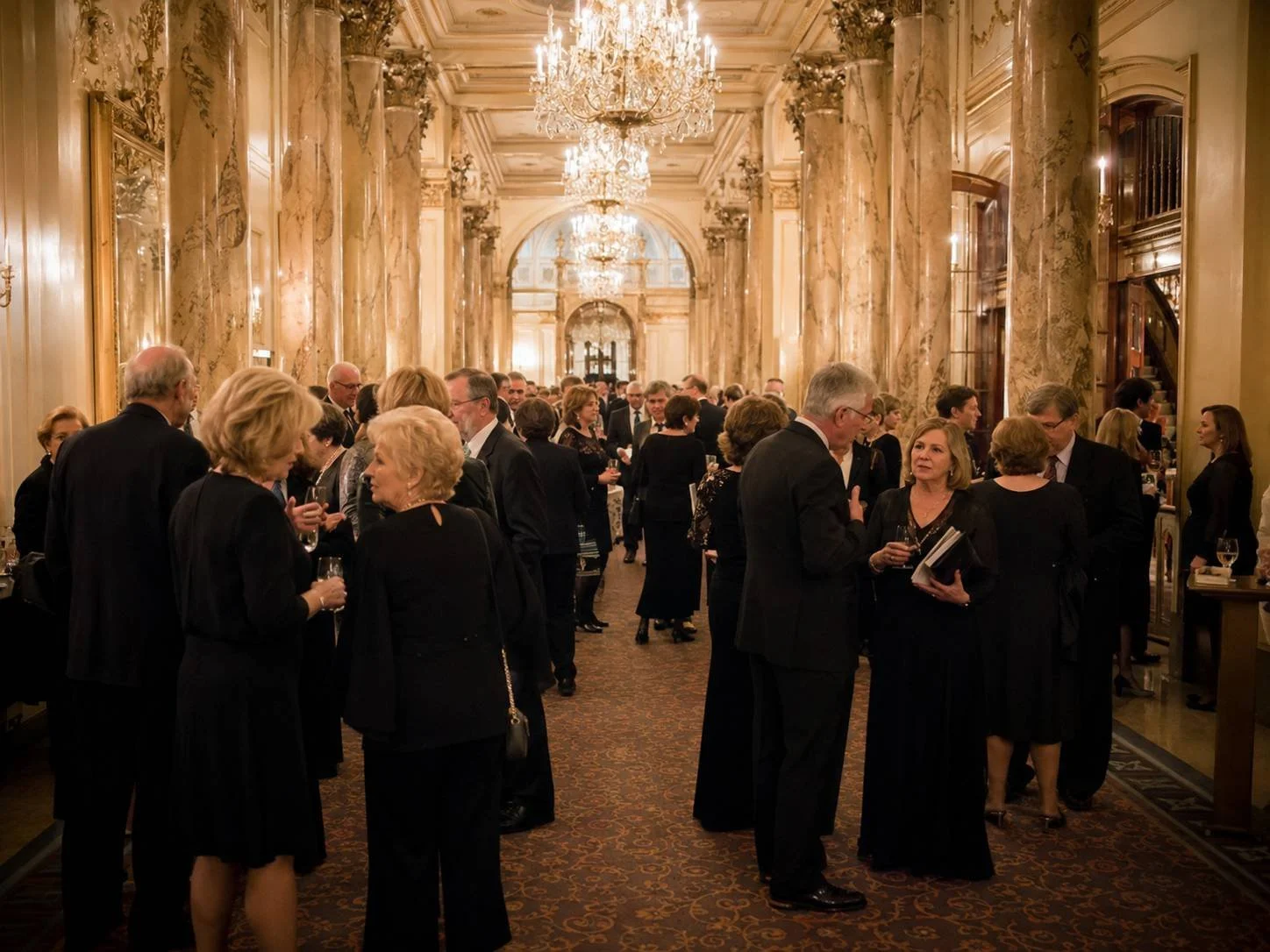
For the audience, the intermission offers a welcome opportunity to stretch their legs and engage with the local Honolulu arts community. Sitting perfectly still and maintaining quiet concentration for an hour requires effort. The break provides a necessary release of energy before returning to the hushed environment of the auditorium.
The most practical use of this time involves visiting the restroom facilities. Because thousands of guests exit the auditorium simultaneously, restroom lines form rapidly. Experienced concertgoers often head directly to the lobby doors the moment the house lights illuminate to beat the initial rush.
The lobby of the Blaisdell Concert Hall also features concessions counters where guests can purchase bottled water, coffee, and light snacks. Consuming food and unsealed beverages is strictly prohibited inside the main seating area to protect the acoustic environment and the plush upholstery. You must finish your snacks in the lobby before returning to your seat.
This twenty-minute window also serves as the primary social event of the evening. Patrons gather near the large glass windows to discuss the performance of the guest soloist or debate the conductor's tempo choices. This is also the ideal time to read the printed program book provided by the ushers. The program contains detailed historical notes about the symphony scheduled for the second half of the concert. Reading these notes prepares your ears for specific melodies, historical context, and dramatic shifts you will hear when the music resumes.
Concerts That Skip the Break
While the standard masterworks series always includes an intermission, the Hawaiʻi Symphony Orchestra performs a wide variety of programming. Certain types of concerts skip the intermission entirely to better serve the specific audience or the specific musical composition.
Family-oriented pops concerts and morning educational matinees are designed for audiences with shorter attention spans. These events usually feature brief, highly engaging selections from movie soundtracks or light classical favorites. To keep young children engaged and prevent restlessness, organizers typically run these concerts straight through without a break, concluding the entire event in roughly sixty minutes.
Occasionally, a conductor will program a massive, continuous piece of music that cannot be logically interrupted. For example, if the orchestra performs a single, monumental symphony that runs for seventy or eighty minutes, the conductor might choose to perform it as the sole piece on the program. In these rare cases, the audience remains seated for the entire duration, and the concert concludes without any scheduled breaks.
| Concert Format | Typical Duration | Intermission Status |
|---|---|---|
| Standard Masterworks | Two hours | Includes one twenty-minute break. |
| Live Film Score Screening | Two to three hours | Includes one twenty-minute break matched to the film narrative. |
| Family Educational Matinee | One hour | No intermission; performed straight through. |
| Single Monumental Symphony | Seventy to ninety minutes | No intermission; the single piece constitutes the entire program. |
Reviewing the ticketing details or the official website before you arrive will clarify exactly which format your specific concert follows, allowing you to plan your evening timeline accurately.
Returning to Your Seat
As the intermission draws to a close, the venue staff utilizes both auditory and visual signals to alert the audience. Approximately five minutes before the music resumes, a series of chime bells will ring throughout the lobby corridors. Simultaneously, the ushers will begin dimming the overhead lobby lights in a rhythmic pattern.
These signals indicate that you should finish your conversations, dispose of your beverage cups, and navigate back to your assigned section. Returning promptly is essential because the orchestra enforces a strict late seating policy. If you remain in the lobby after the conductor lowers their baton to start the second half, the doors will close. You will have to wait outside the auditorium until a natural break in the music allows for late entry, which might mean missing an entire movement of the symphony.
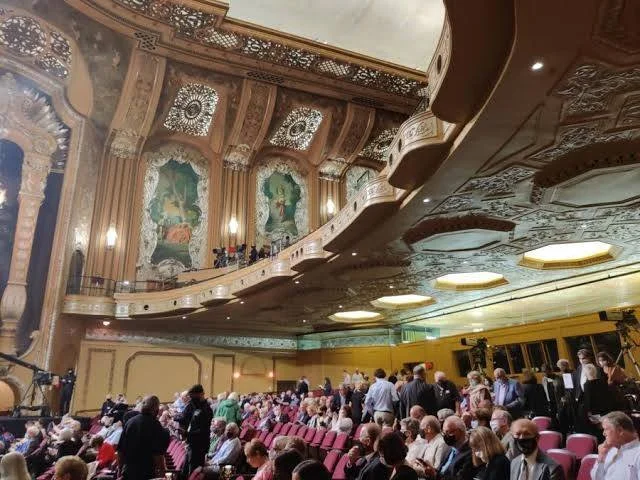
Audience members returning to their seats after the lobby chimes sound. Source: Shorewood Ripples
Once you return to your seat, you will experience a sharp contrast between the noisy, bustling lobby and the quiet, focused auditorium. The musicians will have reassembled on stage. The concertmaster will stand and play a single tuning note, signaling the end of the intermission and the beginning of the next musical chapter.
Plan Your Evening with the Hawaiʻi Symphony Orchestra
Understanding the rhythm of a concert evening allows you to plan your night with complete confidence. The intermission is not just an empty pause; it is a vital mechanical component that keeps the musicians performing at their peak and allows the audience to fully absorb the cultural experience.
Explore upcoming classical masterworks, engaging family pops concerts, and the complete performance calendar on the official Hawaiʻi Symphony Orchestra Website. To secure your seats for an upcoming performance at the Neal S. Blaisdell Concert Hall, visit the HSO Ticketing Portal or browse comprehensive visitor resources on the HSO FAQ Page.