
Soundscapes of the Islands: Music Inspired by Hawaiʻi’s Land and Ocean
Step outside anywhere on Oʻahu and pause for a moment to listen. Depending on where you stand, you might hear the trade winds rustling through high mountain ridges, the steady crash of Pacific swells against a volcanic shoreline, or a sudden afternoon rain shower sweeping across a valley floor. In the Hawaiian islands, the natural environment is never completely silent. It produces a continuous acoustic soundtrack that has guided human expression for centuries.
For generations of composers, chanters, and instrumentalists, the geography of Hawaiʻi has served as the ultimate creative muse. Rather than treating nature as a passive backdrop, island music treats the land (ʻāina) and the ocean (kai) as living subjects worthy of documentation and praise. At the Hawaiʻi Symphony Orchestra, we share this deep reverence for our island environment. When you take your seat at the Neal S. Blaisdell Concert Hall, you become part of an acoustic tradition that translates the physical beauty of our home into living sound.
The Tradition of Mele Pana: Honoring Sacred Places Through Song
To understand how the landscape shapes music in Hawaiʻi, we must begin with the indigenous concept of mele pana, which translates to songs or chants celebrating specific places. In traditional Hawaiian society, poets did not write vague descriptions of nature. Instead, they composed hyper-local verses that recorded the exact environmental features of a single valley, mountain peak, or coastal bay.
In Hawaiian poetic tradition, hundreds of distinct names exist for different types of wind and rain across the island chain. A composer writing about Mānoa Valley on Oʻahu will specifically reference the Tuahine rain and the Kahaukani wind that belong exclusively to that valley. Similarly, a song honoring the coastal waters of Waikīkī will name the specific surf breaks and nearshore currents that define that shoreline.
These compositions served two important purposes in Hawaiian society:
Ecological Documentation: By naming the winds, rains, native plants, and water sources of a district, chants functioned as oral maps that preserved environmental knowledge across generations.
Emotional Connection: Naming a specific place anchored personal memories and genealogical histories to the physical earth, reinforcing the cultural bond of aloha ʻāina (love and stewardship for the land).
When you listen to traditional or contemporary Hawaiian vocal music today, paying attention to the place names mentioned in the lyrics reveals a detailed geographic portrait of the islands.
How the Ocean Shapes Island Rhythm and Acoustic Instruments
Beyond lyrics and poetry, the physical behavior of the Pacific Ocean directly influenced the instrumental techniques developed across the islands. Living on an island chain means that the rhythm of the tides and the motion of the waves are part of daily awareness. Local musicians naturally mirrored these aquatic patterns when adapting stringed and percussive instruments.
During the nineteenth century, as Hawaiian musicians developed the art of kī hōʻalu (slack-key guitar), they created open tunings designed to mimic the fluid movement of water and wind. In traditional slack-key performance, the guitarist uses their thumb to maintain a steady, alternating bass line while their fingers pluck a flowing melody on the higher strings. Many master players describe that steady thumb bass as the relentless pulse of the deep ocean swell, while the upper melody dances like sunlight reflecting off the surface of the water.
The same environmental connection appears in the physical construction of indigenous Hawaiian percussion instruments:
Stones from the Streambed (ʻIliʻili): Performers select four smooth, dense water-worn basalt pebbles from local streams or beaches and click them together in the palms of their hands like castanets, recreating the crisp sound of water tumbling over river rocks.
Bamboo from the Forest (Puʻili): Artisans harvest hollow stalks of bamboo and split one end into fine fringes. When tapped together, these instruments produce a soft, rushing sound that echoes the trade winds moving through upland groves.
Translating Island Landscapes to the Symphonic Stage
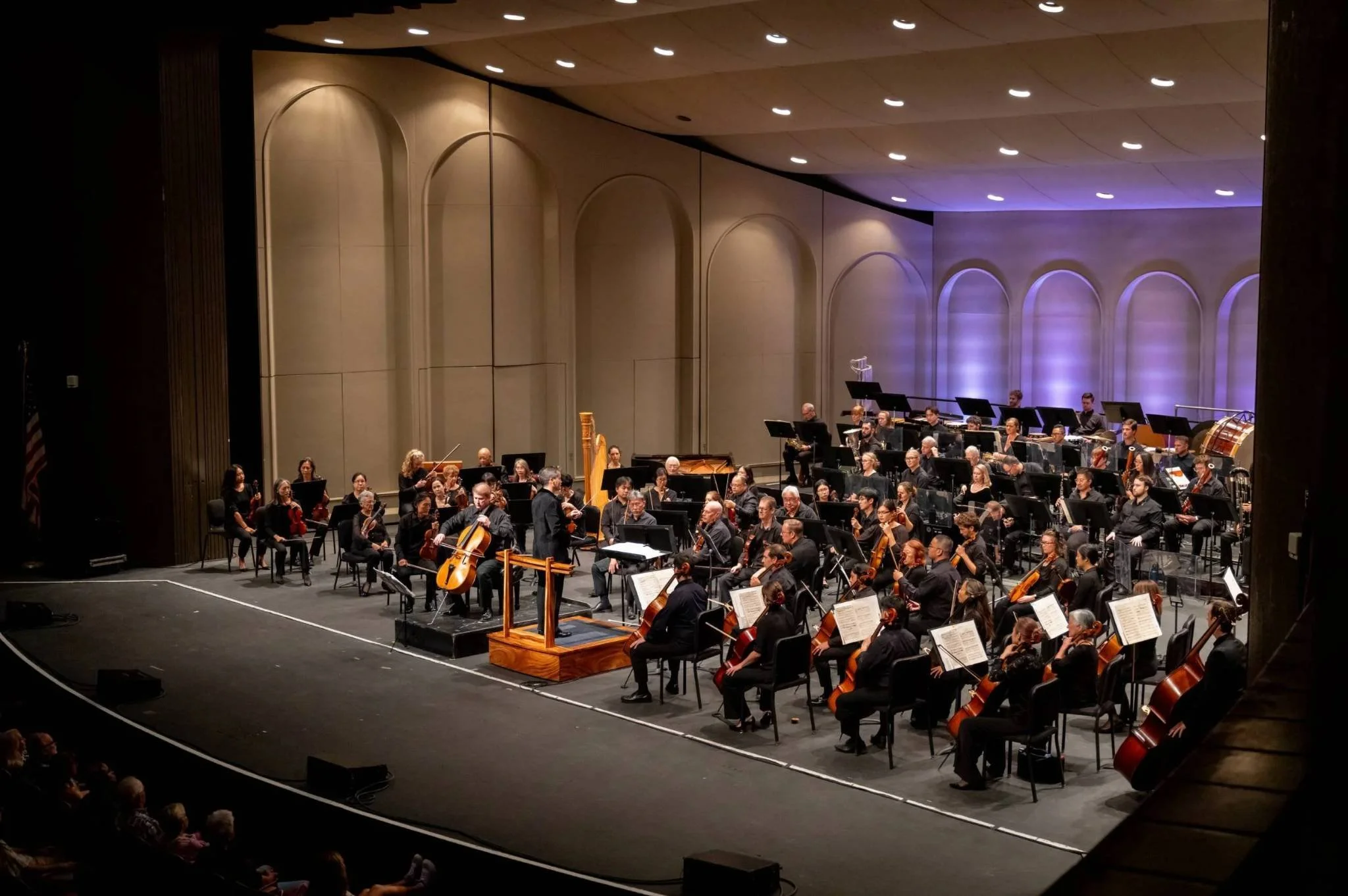
While a solo slack-key guitarist or traditional chanter captures the intimate details of a landscape, a full symphony orchestra offers an expansive palette of tone colors capable of painting massive environmental forces. With eighty musicians playing woodwinds, brass, strings, and percussion on a single stage, an orchestra can recreate everything from a delicate mountain mist to an erupting volcano.
Throughout the history of classical music, composers have used orchestral instruments to evoke the natural world, a technique musicologists call tone painting. When contemporary composers write symphonic music inspired by the land and ocean of Hawaiʻi, they utilize specific instrumental sections to mirror island ecosystems.
| Island Natural Element | Orchestral Section Used | Acoustic Technique and Musical Effect |
|---|---|---|
| Mountain Mists and Trade Winds | Woodwinds (Flutes, Oboes, Clarinets) | Rapid, overlapping note patterns and breathy sustained chords create the sensation of cool air moving through high valleys. |
| Rolling Pacific Swells | Strings (Cellos, Double Basses, Violas, Violins) | Deep, sweeping bow strokes in the low strings build a foundation that rises and falls like open-ocean waves before passing the melody to the violins. |
| Volcanic Power and Deep Earth | Brass and Percussion (Trombones, Tuba, Timpani) | Low brass chords paired with rolling timpani drums generate a physical vibration in the concert hall that mimics the tectonic creation of the islands. |
| Native Forest Birds (Honeymooners) | High Woodwinds and Harp (Piccolo, Flute, Harp) | Short, bright melodic calls in the upper register imitate the distinct vocalizations of native honeycreepers like the ʻiʻiwi and ʻapapane. |
When we perform works rooted in the natural history of the Pacific, the acoustic design of the Blaisdell Concert Hall allows these instrumental textures to blend naturally. You do not just hear the depiction of a storm or a calm lagoon; you feel the physical sound waves moving through the auditorium.
Contemporary Environmental Storytelling at HSO
In recent seasons, our programming has placed a strong emphasis on commissioning and performing symphonic works that address environmental stewardship and native ecology. Because Hawaiʻi is home to some of the most delicate and endangered ecosystems on the planet, local composers frequently use the concert stage to raise awareness about conservation.
Through collaborations with resident composers, cultural practitioners, and educators at institutions like the University of Hawaiʻi at Mānoa Music Department, orchestral music in Honolulu continues to evolve. Symphonic pieces written in the islands today often honor endangered native forest birds, celebrate the coral reefs of the Northwestern Hawaiian Islands, or recount Hawaiian moʻolelo (oral histories) about the deities of the volcano and the sea.
By bringing these environmental narratives into the concert hall, we create a space where art and ecological awareness meet. Listening to a symphonic movement inspired by the vanishing songbirds of the upland forests reminds our entire community of what is at stake in preserving our natural heritage. The orchestra becomes an acoustic voice for the land itself, encouraging listeners to protect the landscapes that inspire such profound art.
Tools and Resources for Exploring Hawaiian Musical Geography
If you want to deepen your understanding of how the land and ocean shape the music of Hawaiʻi before attending your next concert, several local tools and cultural archives in Honolulu can enrich your listening experience:
HSO Pre-Concert Conversations: Available one hour prior to select Masterworks performances at the concert hall, these live talks feature our conductors, guest soloists, and composers explaining the specific historical and environmental inspirations behind the evening's repertoire.
Bishop Museum Ethnology and Mele Archives: Visiting the Bishop Museum in Honolulu or browsing their online cultural collections gives you access to historic recordings of traditional mele pana and displays of authentic indigenous instruments crafted from native woods and marine materials.
Printed Program Notes: Every time you attend an HSO performance, your complimentary program book contains detailed breakdowns of each composition, helping you follow the narrative arc and environmental themes of the music as it unfolds live on stage.
Guided Acoustic Listening: Next time you visit a local beach park or botanical garden on Oʻahu, spend five minutes practicing active listening with your eyes closed. Notice how the layered rhythms of wind, bird calls, and water naturally mirror the multi-layered sections of an orchestra.
Experience the Sound of the Islands Live
From the quiet resonance of a single gourd drum to the sweeping power of a full symphony orchestra, the music of Hawaiʻi remains forever tied to the vitality of its land and ocean. When we gather in Honolulu to share live acoustic music, we celebrate both human creativity and the extraordinary island environment that sustains us.
We invite you to experience this connection firsthand during our current season. Explore our upcoming Masterworks and Pops programs on the official Hawaiʻi Symphony Orchestra Calendar. When you are ready to reserve your seats for an unforgettable evening at the Neal S. Blaisdell Concert Hall, visit our HSO Ticketing Portal. If you have questions about upcoming repertoire or group attendance, please reach out to our team through the HSO Contact Page.