
To anyone watching a symphony orchestra from the audience seating area, the conductor can look like a mystery. They stand at the front of the stage with their back to the crowd, waving a thin wooden stick, moving their arms, and occasionally pointing at specific instrument sections. First-time concertgoers often wonder if the musicians actually need someone up there, or if the orchestra simply plays from sheet music they already know.
The reality is that an orchestra is made up of eighty or more independent musicians, each playing a complex individual part. Without a single guiding presence to shape the tempo, balance the volume, and unify the interpretation, a massive symphony would quickly fall apart. This guide takes you behind the scenes to examine what a conductor actually does before and during a live performance.
Setting the Tempo and Time Signature
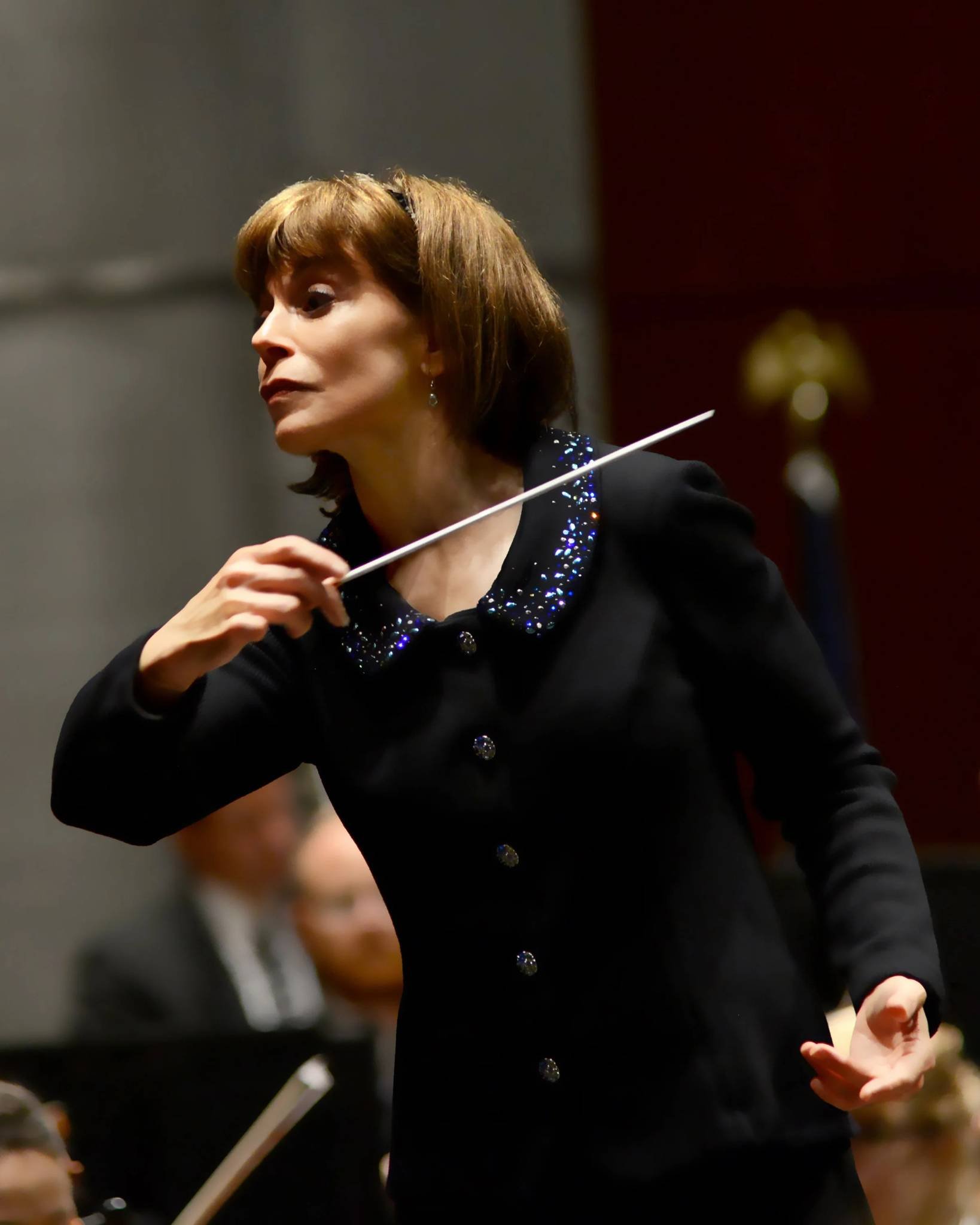
The most fundamental job of a conductor is to keep eighty musicians playing at the exact same speed. When you look at a conductor's hand movements, you are seeing a physical representation of the music's meter. The baton hand traces specific patterns in the air, moving downward, left, right, and upward, corresponding to the beats in every measure of the musical score.
The downward stroke of the baton marks the very first beat of a measure. It is the anchor that tells the entire ensemble precisely when to strike a chord together. If a piece calls for a sudden acceleration or a gradual slowdown, the conductor’s gestures shift instantly. Every musician in the ensemble watches out of the corner of their eye to stay locked into that exact pulse.
| Conductor Gesture | Musical Meaning | Ensemble Response |
|---|---|---|
| Downbeat Stroke | The first beat of a musical measure. | The entire orchestra attacks the initial note in absolute unison. |
| Broad Sweep | Sustained legato phrasing. | String players draw longer, smoother strokes across their instruments. |
| Sharp Staccato Tap | Crisp, detached notes. | Brass and woodwind players articulate short, punchy sounds. |
Maintaining rhythm across a large hall requires absolute precision. Sound travels slowly through physical space, meaning musicians sitting at the back of the stage hear the conductor slightly later than musicians sitting in the front. Experienced conductors anticipate this acoustic delay, adjusting their physical cues to ensure every instrument sounds synchronized from the perspective of the audience seating area.
Shaping Balance and Volume Dynamics
An orchestra is a powerful acoustic machine. A single section of brass instruments or booming timpani drums can easily drown out a quiet melody played by woodwinds or solo violins. One of the conductor's primary responsibilities is listening across the entire ensemble and adjusting the volume balance in real time.
A flat palm facing the woodwinds signals them to play softer so the rest of the orchestra can shine through. A sweeping, upward gesture of both arms invites the brass and percussion sections to play with full force during a dramatic orchestral climax. The conductor acts as an acoustic mixer, ensuring that every melody written on the composer's score can be heard clearly by the audience sitting in the hall.
Achieving this balance demands deep familiarity with instrument acoustics. Violins project sound in a specific directional arc, while brass instruments project sound straight out of their bells. The conductor accounts for these physical variables during every rehearsal, coaching individual players to adjust their projection levels so the texture of the music remains clear and transparent.
Cueing Entrances and Expressive Phrasing
Even when musicians know their notes perfectly, figuring out how to play a specific phrase requires artistic interpretation. Should a violin melody sound sharp and energetic, or smooth and flowing? Should a sudden chord hit with aggressive force or warm resonance?
While the right hand with the baton handles the beat, the left hand is largely responsible for expression. It gestures for crescendos, softens aggressive tones, and shapes the emotional contour of a melody. When an instrument section has sat silent for fifty measures and needs to re-enter precisely on cue, the conductor makes eye contact and gives a subtle nod or hand gesture to signal the exact millisecond they must start playing.
| Hand or Arm Movement | Physical Action | Musical Intent |
|---|---|---|
| Left Palm Upward | Lifting motion with fingers | Encourages a crescendo or increasing warmth in tone. |
| Pinching Fingers | Quick closing gesture | Signals a sudden staccato cutoff or sharp release of a chord. |
| Direct Eye Contact | Focused gaze at a specific section | Prepares principal players for an upcoming solo entry. |
This non-verbal communication relies on trust built over hours of rehearsal. Musicians learn to read micro-gestures from the podium, translating subtle shifts in posture and facial expression into unified artistic expression.
Rehearsal Preparation and Score Study
The performance you see on stage is only a fraction of a conductor's total job. The real work happens during days of intensive rehearsals leading up to concert night. Before the orchestra ever plays a single note together, the conductor spends dozens of hours studying the musical score. They analyze every harmony, memorize complex tempo changes, and decide how they want the piece to sound.
During rehearsals, the conductor stops the orchestra frequently to refine specific sections:
Asking the cellos to play a specific passage with more warmth and vibrato.
Telling the percussionist to soften a cymbal crash so it does not overpower the flutes.
Adjusting the timing between fast violin runs and heavy brass chords.
This preparation involves mapping out structural shifts, bowings, and breath marks across hundreds of pages of intricate multi-instrument notation. The conductor acts as both a teacher and a director, transforming raw sheet music into a polished performance.
The Conductor as the Artistic Director
Beyond leading rehearsals and managing live performances, many conductors also hold the title of Music Director. In this expanded leadership role, the conductor shapes the identity of the entire organization.
| Director Responsibility | Description |
|---|---|
| Season Programming | Selecting every piece of music the orchestra will perform across the entire concert season. |
| Guest Artist Curation | Inviting world-renowned soloists, such as guest violinists and pianists, to perform in Honolulu. |
| Community Outreach | Engaging with local schools and community programs to advocate for music education. |
For the Hawaiʻi Symphony Orchestra, Music & Artistic Director Dane Lam guides this exact creative vision, blending standard classical repertoire with unique programming for local audiences.
Experience the Maestro Live in Action
Seeing a conductor work with an orchestra in person is vastly different from watching a video recording. The physical connection between the podium and the musicians creates a dynamic, living performance that changes every single night.
Explore upcoming classical masterworks, guest conductors, and concert schedules on the official Hawaiʻi Symphony Orchestra Calendar. To secure your seats for an upcoming performance at the Neal S. Blaisdell Concert Hall, visit the HSO Ticketing Portal or browse visitor resources on the HSO FAQ Page.