
Purchasing tickets to see the Hawaiʻi Symphony Orchestra involves an important decision before you even reach the checkout page. When the seating map of the Neal S. Blaisdell Concert Hall appears on your screen, you are presented with hundreds of options. Do you select seats right up against the stage, or do you prefer the sweeping view from the upper balcony? Does sitting on the left side of the auditorium sound different than sitting on the right side?
First-time concertgoers often assume that the most expensive tickets situated closest to the stage guarantee the best possible experience. The reality of symphonic acoustics is far more complex. Unlike a movie theater where every seat receives a uniform audio mix from digital speakers, a concert hall is a living, breathing acoustic environment. The sound of an unamplified orchestra changes drastically depending on exactly where you are sitting in the room.
Finding the perfect seat requires balancing your desire for visual intimacy against your preference for blended acoustics. It also depends entirely on the specific type of concert you are attending. This comprehensive guide breaks down the unique advantages of the orchestra floor, the balcony, and the loge seating sections to help you discover your personal sweet spot.

Choosing your seat determines how you will visually and acoustically experience the performance.
The Main Orchestra Floor: Up Close and Personal
The main seating level located on the ground floor of the auditorium is known as the orchestra section. This area offers the most immediate, visceral connection to the performers on stage.
If you purchase tickets in the first five rows, you prioritize visual intimacy over perfect acoustic blending. Sitting this close provides a spectacular view of the musicians' physical efforts. You can watch the intricate fingerwork of the first violin section. You can see the conductor's facial expressions and intense physical gestures. You will actually feel the physical vibrations of the cellos and double basses resonating through the floorboards directly into your feet.
However, sitting in the extreme front rows comes with an acoustic compromise. Because you are sitting below the level of the elevated stage, the sound of the string section will dominate your ears. The brass and percussion instruments located at the very back of the stage will sound slightly distant or muffled because the sound waves must travel over the heads of the string players to reach you.
The middle rows of the orchestra section, typically rows ten through twenty, offer the best compromise on the ground floor. At this distance, the sound of the various instrument families has enough physical space in the air to blend together before reaching your ears. You still retain a clear view of the soloists, but you enjoy a much more unified, balanced acoustic picture.
| Orchestra Floor Location | Primary Advantage | Acoustic Characteristic |
|---|---|---|
| Front Rows (1-5) | Incredible visual detail and tactile physical vibration. | Strings heavily dominate the audio mix. |
| Middle Rows (10-20) | Excellent balance of sightlines and audio clarity. | Warm, blended sound with direct impact. |
| Rear Rows (Under Balcony) | Easy access to lobby exits and restrooms. | Slightly muted acoustics due to the ceiling overhang. |
The Balcony: The Acoustic Sweet Spot
For seasoned classical music aficionados and dedicated audiophiles, the balcony is often considered the prime real estate of any concert hall. While sitting further away from the stage might seem counterintuitive, the science of acoustics heavily favors elevated seating.
Sound waves travel upward and outward from the stage. As the sound of the brass, woodwinds, and strings travels vertically into the open volume of the auditorium, the different frequencies mix together perfectly. By the time the sound reaches the first few rows of the lower balcony, it has formed a cohesive, glorious wall of harmony. You hear the orchestra exactly as the composer intended it to sound, a unified organism rather than eighty individual instruments.
The balcony also offers a stunning panoramic view of the stage. You can see the entire layout of the orchestra at a single glance. When the percussionist at the very back of the stage strikes a dramatic crash cymbal, you can clearly see the physical action happen, an action that is often blocked by the musicians sitting in front of them if you are seated on the main floor.

The balcony provides perfect acoustic blending and a sweeping panoramic view.
The Loge and Box Seats: Comfort and Perspective
Many concert halls feature specialized seating along the side walls of the auditorium, often referred to as the loge or box seats. These elevated sections offer a unique set of advantages and compromises.
The primary appeal of loge seating is the feeling of exclusivity and physical comfort. These sections usually feature fewer seats per row, which translates to significantly more legroom and easier access to the aisles. You do not have to squeeze past fifteen other patrons to reach your seat.
Acoustically, the side loge provides a highly analytical listening experience. Because you are sitting off-center, you will hear the instruments located on your side of the stage much more clearly than the instruments on the opposite side. If you sit in the left loge, the bright, soaring melodies of the first violins will dominate your ear. If you sit in the right loge, the deep, warm resonance of the cellos and double basses will anchor your listening experience.
This directional bias makes loge seating perfect for listeners who want to focus intensely on specific sections of the orchestra, but less ideal for guests seeking a perfectly centered audio mix.
Choosing Seats Based on the Concert Type
The "best seat in the house" shifts dramatically depending on the specific programming scheduled for the evening. You should tailor your seating choice to the visual and acoustic demands of the performance.
Piano Concertos: If the evening program features a guest pianist performing a major concerto, the left side of the auditorium becomes highly desirable. A nine-foot concert grand piano is positioned on stage with the keyboard facing the left wing. If you sit on the left side of the orchestra floor or the left lower balcony, you will have a direct, unobstructed view of the pianist's hands flying across the keys. If you sit on the right side of the hall, the massive wooden lid of the piano completely blocks your view of the soloist's hands.
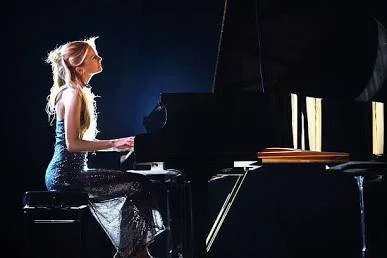
Sitting on the left side of the hall provides a clear view of a pianist's hands.
Live Film Score Presentations: When attending a cinematic concert featuring a movie projected on a massive screen above the orchestra, you must consider neck strain. If you sit in the very front rows of the orchestra floor, you will have to tilt your head sharply upward for over two hours to watch the movie. For film concerts, the middle to rear rows of the orchestra floor, or the lower balcony, provide the most comfortable viewing angle for the screen while still enjoying the live music below.
Choral Masterworks: If the orchestra is performing alongside a massive vocal chorus, such as Beethoven's Symphony No. 9, the choir will stand on elevated risers at the absolute rear of the stage. To hear the vocal harmonies blend perfectly with the heavy brass section, you should secure tickets in the balcony. Elevated seating captures the vocal projection beautifully before it diffuses into the ceiling.
Accessibility and Practical Considerations
Beyond acoustics and sightlines, practical physical needs should always guide your ticket purchase. The Neal S. Blaisdell Concert Hall provides designated seating areas to ensure every guest enjoys a comfortable, accessible evening.
If you or a family member utilize a wheelchair or walker, the venue offers designated ADA-compliant seating spaces on the main orchestra floor. These spaces eliminate the need to navigate stairs or steep inclines. When purchasing tickets through the box office, you can specifically request these locations.
If you anticipate needing to use the restroom frequently or simply prefer extra space to stretch your legs, securing an aisle seat is the perfect solution. Aisle seats allow you to exit and enter your row without disrupting the patrons sitting next to you. Additionally, if you prefer a quick exit to the parking garage after the final applause, selecting seats near the rear lobby doors on the main floor will save you considerable time during the post-concert rush.
| Priority | Recommended Seating Area |
|---|---|
| Watching a Pianist's Hands | Left side, Orchestra Floor (Rows 5-15) |
| Perfect Acoustic Blending | Center, Lower Balcony |
| Avoiding Neck Strain (Film Concerts) | Center, Middle to Rear Orchestra Floor |
| Extra Legroom and Exclusivity | Side Loge / Box Seats |
Discover Your Personal Preference
The beauty of attending a live symphony season is that you do not have to commit to a single perspective forever. The acoustic environment of a grand concert hall rewards experimentation.
Consider sitting in the front rows for a vibrant Pops concert to feel the energy of the musicians. Later in the season, purchase balcony tickets for a heavy classical masterwork to appreciate the perfectly blended wall of sound. By exploring different vantage points throughout the year, you will develop a deep personal understanding of how the architecture shapes the music.
Explore upcoming performances, review detailed seating maps, and find your perfect spot on the official Hawaiʻi Symphony Orchestra Calendar. To secure your seats for an upcoming presentation at the Neal S. Blaisdell Concert Hall, visit the HSO Ticketing Portal or browse comprehensive venue policies on the HSO FAQ Page.
Concert Hall Acoustic Map
Concert Hall Acoustic Visualizer
Select a seating zone to explore its unique acoustic characteristics.
Select a Section
Click on any seating zone on the map to visualize how sound waves travel from the stage to that location and to read about its specific acoustic profile.