
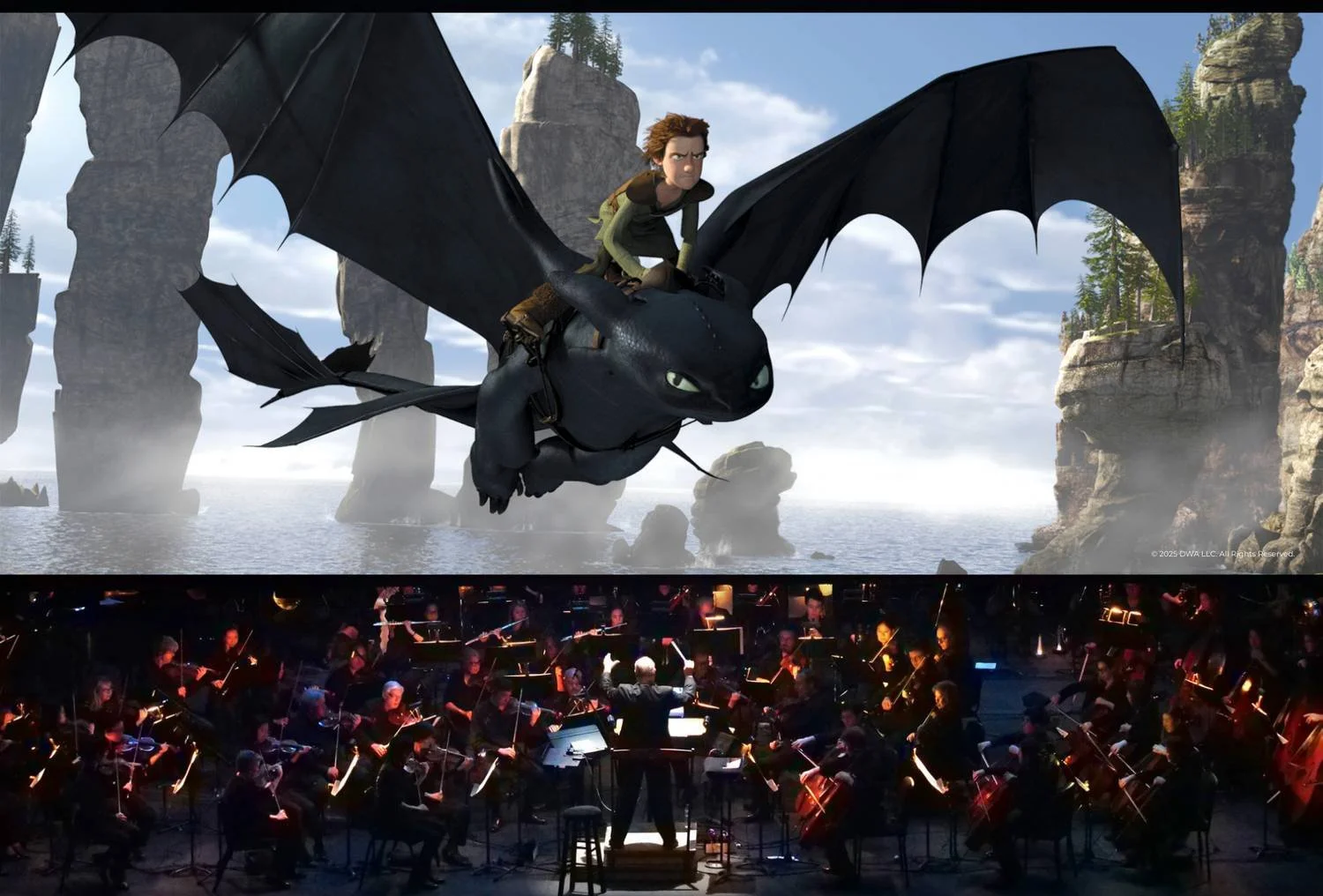
Watching a beloved blockbuster film at the Neal S. Blaisdell Concert Hall differs drastically from a standard movie theater outing. A massive high-definition screen hangs suspended above the stage. Directly below that screen sits the full Hawaiʻi Symphony Orchestra. When the studio logo appears and the opening title sequence begins, the musicians fill the auditorium with massive acoustic sound. The physical vibration of a live brass section cannot be replicated by digital theater speakers. The audience feels the resonance of the double basses directly in their seats. This tactile element transforms a familiar movie into a completely new theatrical event.
Audiences often wonder how this presentation actually works. Fusing a recorded visual medium with a live acoustic performance requires intense coordination. The production team must strip the original recorded score from the film. The conductor must lock their tempo to an unyielding visual timeline. The musicians must sustain extreme physical exertion for hours. This comprehensive guide explores the intricate production processes, technical demands, and logistical planning that bring live film concerts to the stage for audiences in Honolulu.

Stripping the Original Audio Tracks
Before the orchestra can rehearse a single note, the film itself must undergo a specialized audio engineering process. When you watch a movie at home, the audio track contains dialogue mixed heavily with environmental noise and the recorded musical score. If the orchestra simply played along with a standard consumer copy of the movie, the audience would hear the original recorded music clashing directly with the live instruments on stage.
To solve this problem, Hollywood studios provide the orchestra with a proprietary performance print of the film. Audio engineers isolate the vocal tracks of the actors. They isolate the sound effects to preserve the noise of footsteps or vehicle engines. They then completely mute the original orchestral score. This separation ensures the live musicians serve as the sole source of music in the room.
The Blaisdell Concert Hall production crew then balances this modified audio file through the venue speaker system. The sound engineer constantly adjusts the volume of the dialogue to ensure the live orchestra does not overpower the actors on screen. Mixing live acoustic instruments against amplified digital voices requires constant vigilance throughout the entire performance. The audio engineer must anticipate loud orchestral crescendos and boost the dialogue volume accordingly.
The Marathon of Cinematic Music
Standard classical symphonies naturally accommodate the physical limits of human musicians. A traditional piece of repertoire features quiet passages where the brass section rests. A standard masterworks program includes pauses between movements where players can stretch their hands or adjust their posture.
Film scores offer no such relief. Hollywood composers write music to match the continuous action on screen. This constant underscoring transforms a film concert into a physical marathon. The musicians must play almost constantly for two or more hours. String players navigate frantic passages during lengthy action sequences. They execute these difficult runs in the dark while relying on small lamps attached to their music stands.
Brass players face extreme endurance challenges. They must produce powerful volume during epic battle scenes without the luxury of extended rest periods. Playing a heavy brass instrument for hours taxes the facial muscles severely. To prevent muscle failure during particularly demanding film scores, the orchestra often recruits supplementary musicians. Adding extra French horn or trumpet players allows the section to rotate responsibilities and share the grueling workload.
| Production Element | Traditional Symphony Concert | Live Film Score Presentation |
|---|---|---|
| Musical Pacing | Conductor controls the tempo. | Film projector dictates the exact speed. |
| Physical Endurance | Built-in rests between movements. | Continuous playing for extended durations. |
| Lighting Conditions | Fully illuminated stage. | Dimly lit stage utilizing stand lights. |
| Acoustic Environment | Pure unamplified acoustic instruments. | Acoustic instruments mixed with amplified dialogue. |

Musicians rely on stand lights to read complex scores in the dark.
Strict Synchronization and Podium Technology
A traditional conductor shapes the flow of a classical piece by slightly pushing or pulling the tempo based on the acoustic response of the room. They dictate the emotional breathing of the music. During a live-to-picture concert, the conductor surrenders this artistic freedom entirely to the film projector. If a character on screen slams a door, the accompanying musical chord must strike at that exact millisecond. Arriving half a second late shatters the cinematic illusion.
To maintain this rigid synchronization, the conductor relies on a digital video monitor mounted directly on the podium. This monitor displays the film alongside specialized visual cues. Vertical colored bars wipe across the screen to signal upcoming tempo changes. Flashing circular punches dictate precise impact points for the orchestra.
The conductor must also wear an earpiece delivering a relentless digital click track. This audio feed provides a constant rhythmic pulse. The conductor translates this invisible heartbeat into physical baton movements. They guide eighty musicians through complex time signature changes while keeping them perfectly anchored to the video file. Managing this technology requires an incredibly divided attention span. The conductor must simultaneously read the musical score while watching the video monitor. They must listen to the click track while leading the live musicians.
The Visual Choreography of the String Section
The sensory experience of a film concert extends beyond the auditory impact. Watching the orchestra perform provides a mesmerizing visual spectacle. The string section dominates the front of the stage. Dozens of violinists and cellists must move their bows in the exact same direction simultaneously.
This synchronized movement requires meticulous preparation by the concertmaster. The concertmaster marks the specific bowing directions in the master sheet music long before the first rehearsal. When the orchestra performs a sweeping cinematic theme, the entire string section moves like a unified wave. This physical choreography draws the eye away from the movie screen. It reminds the audience that human beings are actively producing the soundtrack in real time.
During fast pursuit scenes, the visual energy on stage becomes frantic. The musicians must play rapid, aggressive strokes. Watching this intense physical exertion adds a thrilling layer of tension to the action happening on the screen above them. The audience gets to witness the physical effort required to generate the thrilling sounds they usually only hear through digital speakers.
The Crucial Role of the Orchestra Librarian
Managing the physical sheet music for a film concert involves a monumental logistical effort. The orchestra librarian receives massive shipping crates filled with printed music from the film studios. A standard movie score contains significantly more pages than a traditional classical symphony. The sheer volume of paper requires heavy-duty binders to prevent pages from falling off the music stands in the dark.
The librarian must distribute these heavy folders to every musician weeks in advance. Because the music must perfectly match the visual cuts of the film, composers frequently change time signatures every few measures. The librarian manually highlights these tricky transitions in the sheet music. They mark critical cues to prevent players from getting lost during the performance.
After the final curtain falls, the strict licensing agreements require the immediate return of every single piece of paper. The librarian must inventory hundreds of individual parts before shipping them back to the studio vault. This secure handling ensures the proprietary sheet music does not enter public circulation.
An Interactive Audience Atmosphere
The traditional rules of classical concert etiquette do not apply to live film presentations. At a standard masterworks performance, audiences remain completely silent until the final piece concludes. Film concerts encourage an entirely different type of engagement.
Concertgoers treat these events like a lively theatrical premiere. The Hawaiʻi Symphony Orchestra encourages audiences to react vocally to the story. Attendees cheer loudly when the hero appears on screen. Guests laugh openly at comedic dialogue. The entire room frequently applauds the orchestra after a thrilling action sequence concludes. The atmosphere mirrors the energy of a crowded movie theater on opening night.
Many guests also arrive wearing costumes inspired by the featured movie. This interactive environment makes film concerts the perfect introductory experience for younger listeners. It also appeals to adults attending the Blaisdell Concert Hall for the very first time. The shared enthusiasm of a crowded auditorium amplifies the emotional impact of the live performance.
Dividing the Film for Intermission
Feature films do not naturally contain an intermission. To accommodate the physical needs of the musicians, the production team must artificially divide the movie into two acts. The conductor and the studio agree on a specific scene transition near the midpoint of the story. The film pauses at this exact moment.
The house lights illuminate for twenty minutes. This break allows the musicians to rest their hands and clear the condensation from their wind instruments. The audience uses this time to visit the lobby concessions or discuss the performance. Once the break concludes, the house lights dim and the orchestra tackles the dramatic climax of the second half.
This scheduled pause is essential for the quality of the performance. Without it, the brass section would likely suffer from severe fatigue before the final credits roll. The brief rest ensures the musicians can deliver the triumphant musical finale with maximum volume and perfect clarity.
Plan Your Next Cinematic Evening
Seeing a beloved film accompanied by a live symphony orchestra reveals the hidden architecture of cinematic storytelling. The musicians transform background music into the undeniable star of the evening. Watching the intense physical labor required to produce those familiar melodies gives audiences a profound appreciation for orchestral musicians.
Explore the upcoming cinematic presentations on the officialHawaiʻi Symphony Orchestra Films Page. To secure your seats for an upcoming presentation at theNeal S. Blaisdell Concert Hall, visit theHSO Ticketing Portal or browse comprehensive visitor resources on theHSO FAQ Page.