
More Than Just Music: Why Certain Pieces Are Historically Important
When you look at a printed program for the Hawaiʻi Symphony Orchestra, you often see pieces described as "masterpieces" or "historic landmarks." It is easy to assume these titles were awarded simply because the music sounds pleasant. However, the history of classical music is rarely defined by politeness.
The orchestral canon serves as a living historical record. The greatest symphonies and concertos survived because they actively broke the rules of their era, challenged oppressive governments, or forced musicians to play their instruments in entirely new ways. When you listen to these works at the Neal S. Blaisdell Concert Hall, you are not hearing a museum exhibit you are hearing the acoustic echo of a cultural revolution.
Understanding the historical weight behind the notes transforms a standard evening out into a profound intellectual experience. This guide explores the four primary reasons why certain compositions achieved legendary status.
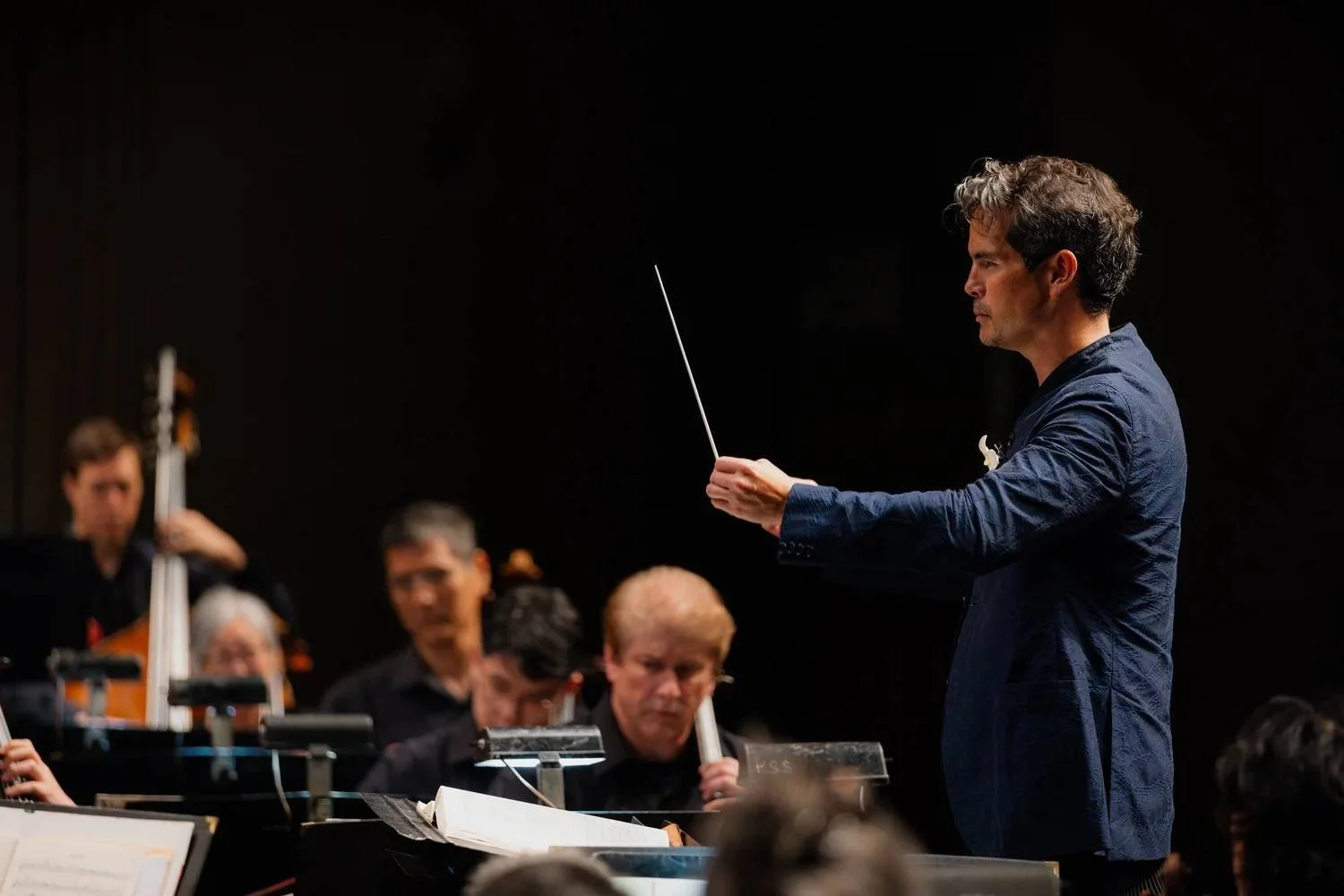
Halekulani Masterworks
1. Shattering the Rules of Musical Form
For decades, the Classical era operated under strict architectural rules. Symphonies had to follow a predictable, balanced structure, and the emotional range was kept polite and restrained. A piece becomes historically crucial when a composer decides those rules are no longer sufficient.
Ludwig van Beethoven’s Symphony No. 3 (Eroica) stands as the prime example of this musical rebellion. Premiered in 1805, the Eroica was twice as long as any symphony written before it. It did not sound polite—it sounded violent, triumphant, and deeply personal. Beethoven used massive, aggressive chords to deliberately shatter the polite expectations of his audience. By breaking the accepted mold of what a symphony was "allowed" to be, Beethoven single-handedly dragged European music out of the Classical era and into the emotional turbulence of the Romantic era.
Every composer who came after Beethoven had to reckon with the sheer scale of the Eroica. It redefined the symphony from a piece of light evening entertainment into a monumental artistic statement.
2. Reflecting Political and Social Upheaval
Some pieces are historically significant because they functioned as a matter of literal life and death for the composer. Music has frequently served as a coded language of protest against authoritarian regimes.
Dmitri Shostakovich composed his Symphony No. 5 in 1937 during the height of Joseph Stalin’s Great Purge in the Soviet Union. Shostakovich had recently been publicly condemned by the state-run newspaper. In the Soviet era, a public denunciation often led directly to execution or imprisonment in a gulag.
To survive, Shostakovich wrote the Symphony No. 5 as a supposed apology to the state, outwardly presenting it as a triumphant, patriotic work. However, beneath the surface, the music was steeped in crushing sorrow and forced, mocking joy. The audience at the premiere understood the hidden message perfectly, reportedly weeping during the slow movement and delivering a forty-minute standing ovation. The piece remains a historic masterwork because it represents the triumph of the human spirit—and artistic truth—over totalitarian oppression.
3. Pushing the Limits of Physical Performance
A piece of music also earns its place in history by forcing musicians to completely reconsider how they play their instruments. Certain compositions are legendary simply because of their sheer, terrifying difficulty.
In 1913, Igor Stravinsky premiered his ballet The Rite of Spring in Paris. The music was so rhythmically complex, aggressively dissonant, and physically jarring that it famously incited a literal riot in the theater.
Stravinsky demanded that the orchestra play in asymmetrical, jagged time signatures that made the music feel like it was violently stumbling forward. He forced the bassoonist to play higher than the instrument was traditionally designed to go, creating a strained, alien sound in the opening notes. The Rite of Spring changed the rhythmic landscape of the twentieth century. It proved that orchestral music did not have to rely on sweeping, beautiful melodies it could be driven entirely by raw, primal, percussive energy.
4. Integrating Cultural Identity and Folk Traditions
For much of its history, the orchestral canon was strictly dominated by Western European traditions. A composition becomes historically significant when it successfully brings outside cultural identities into the grand concert hall.
When Antonín Dvořák traveled to the United States, he famously stated that the future of American music must be built upon the melodies of Native Americans and African American spirituals. He demonstrated this philosophy in his Symphony No. 9 (From the New World). Similarly, Florence Price—the first African American woman to have a symphony performed by a major American orchestra—wove the rhythms of the Juba dance and the spiritual traditions of the Black church directly into her Symphony No. 1 in 1933.
These pieces are historically vital because they expanded the definition of who the orchestra belongs to. They proved that folk traditions and marginalized cultural voices carry the same artistic weight as a traditional European sonata.
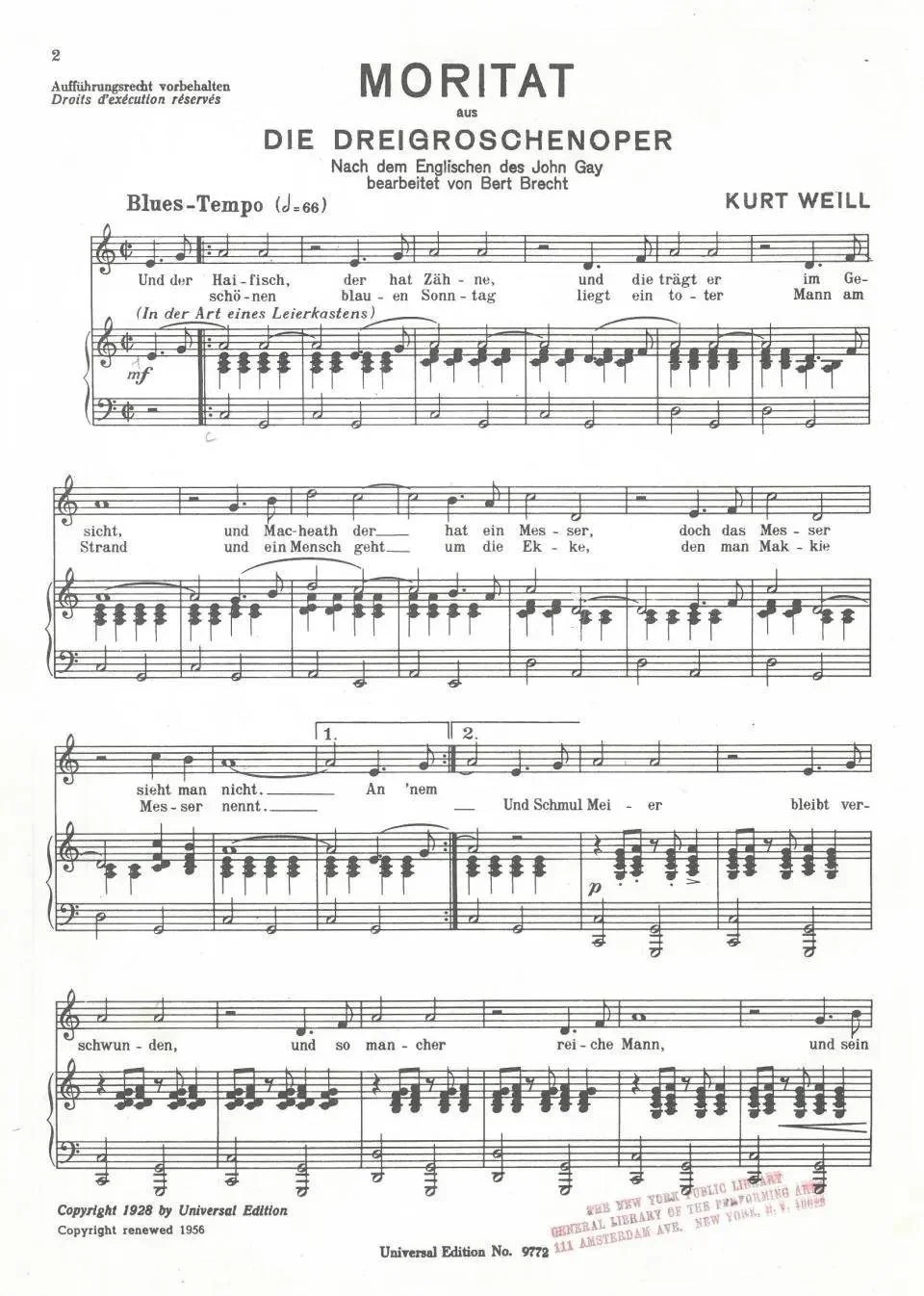
Original manuscripts reveal how composers continuously pushed the boundaries of musical notation. Source: NYPL
Hear the History Live
You cannot fully grasp the weight of these historical turning points by listening to a recording on your phone. To understand why an audience rioted in 1913 or wept in 1937, you must feel the acoustic shockwaves generated by eighty live musicians.
Explore our upcoming masterworks schedule to see which historical milestones are being performed this season on the official Hawaiʻi Symphony Orchestra Calendar. To secure your seats for an upcoming presentation at the Neal S. Blaisdell Concert Hall, visit our HSO Ticketing Portal.