
The Loudest and Quietest Orchestral Instruments: A Guide to Dynamic Range
A modern symphony orchestra possesses a dynamic range that no digital speaker system can accurately replicate. When eighty musicians share the stage at the Neal S. Blaisdell Concert Hall, they can generate a wall of sound loud enough to rival a rock concert—or pull back to a whisper so quiet it demands the absolute silence of the entire auditorium.
Composers rely on these extreme volume shifts to create emotional drama. Understanding which instruments produce these acoustic extremes gives you a deeper appreciation for the physical athleticism and delicate control required by the Hawaiʻi Symphony Orchestra musicians.
The Loudest Heavyweights: Brass and Percussion
When a composer wants to simulate a thunderstorm, a triumphant victory, or sheer terror, they immediately turn to the back of the stage. The brass and percussion sections are the undisputed volume champions of the concert hall.
The Trombone The trombone is widely considered the loudest unamplified instrument in the orchestra. Because it uses a long, cylindrical metal tube that flares into a massive bell, it projects sound with cutting, directional force. A single trombonist playing at maximum volume (fortissimo) can hit up to 115 decibels—roughly the equivalent of standing near a blaring ambulance siren. When a section of three trombones plays together, they can easily overpower the entire string section.
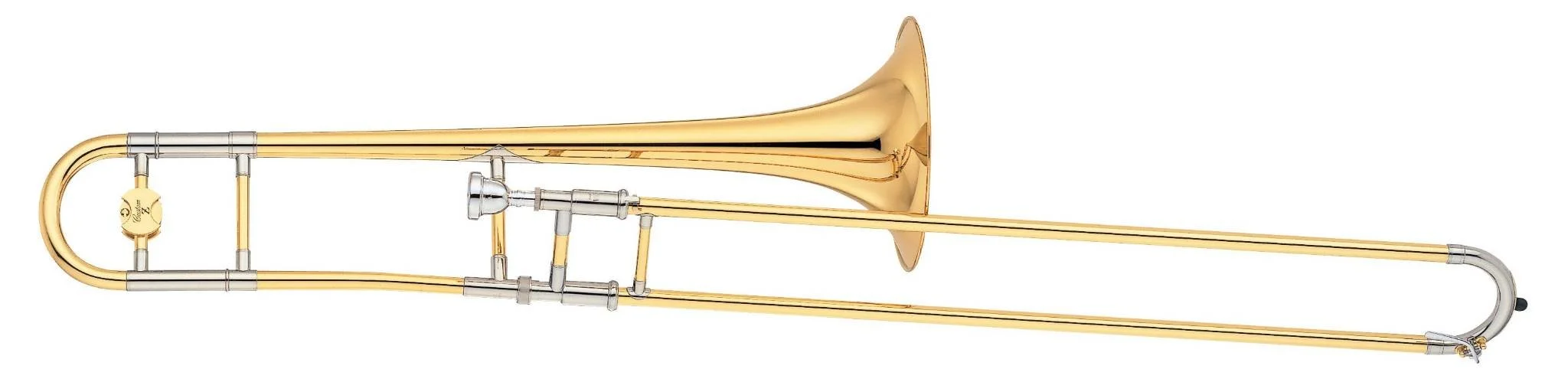
By Yamaha Corporation, CC BY-SA 4.0, https://commons.wikimedia.org/w/index.php?curid=133215144
The Trumpet While slightly smaller than the trombone, the trumpet utilizes its high frequency to pierce through the thickest orchestral textures. Because high-pitched sounds naturally cut through lower frequencies, a trumpet fanfare reaches the back of the balcony with startling clarity.
Crash Cymbals and Timpani In the percussion section, the crash cymbals provide the highest immediate peak volume. A single, aggressive cymbal crash can temporarily spike over 120 decibels. Below them, the timpani (kettledrums) provide the heaviest acoustic weight. While they may not register the highest decibel count, their massive, booming frequencies physically vibrate the floorboards of the auditorium.
The Quietest Voices: Delicate and Ethereal
On the opposite end of the spectrum, certain instruments are designed to produce sounds so fragile they require the audience to lean forward and hold their breath.
The Celesta Looking like a miniature upright piano, the celesta is a keyboard instrument that strikes internal metal plates with felt hammers. It produces a soft, shimmering, bell-like tone most famously heard in the "Dance of the Sugar Plum Fairy" from Tchaikovsky's The Nutcracker. Because its sound is so inherently quiet, composers must silence almost the entire orchestra whenever the celesta plays so the audience can actually hear it.
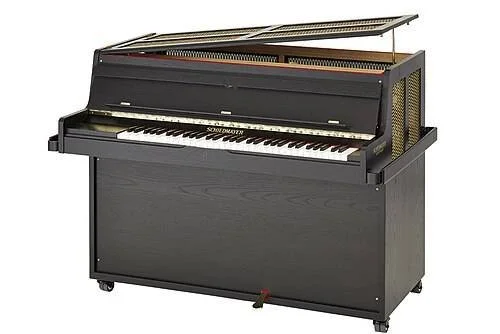
The celesta produces a quiet, shimmering chime that requires the rest of the orchestra to remain nearly silent. Source: Wikipedia
The Harp Despite its large size, the harp is a relatively quiet instrument. Plucking strings with bare fingertips produces a warm, rounded tone that does not carry as aggressively as a bowed violin string or a blown wind instrument. When the harp plays a solo, the conductor will carefully keep the volume of the accompanying instruments at a strict whisper to avoid burying the harp's delicate textures.
The Low Flute While a flute can be piercing and bright when played in its highest register, its lowest notes are incredibly soft and breathy. Composers use the low register of the flute to create a sense of mystery or haunting stillness, relying on the quiet, hollow tone to create atmosphere rather than projection.
Experiencing the Extremes
The true magic of a symphony concert lies in the transition between these two extremes. Hearing a massive brass fanfare suddenly melt into a single, quiet harp chord is an acoustic thrill that cannot be captured on a recording.
Experience the full dynamic power of live acoustic music at an upcoming masterworks performance. Explore the season schedule on our official Hawaiʻi Symphony Orchestra Calendar. To secure your seats, visit the HSO Ticketing Portal or browse comprehensive venue information on our HSO FAQ Page.